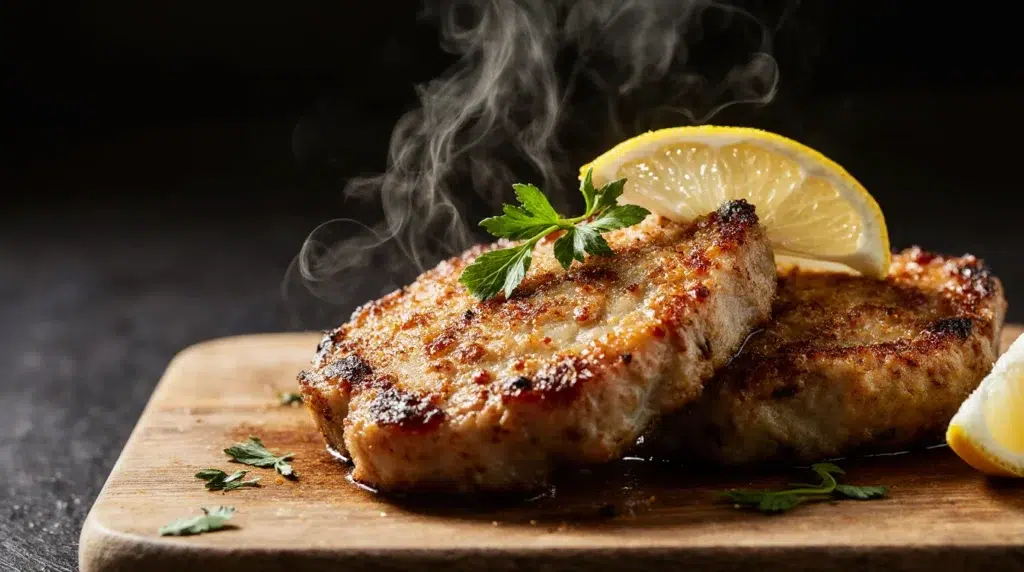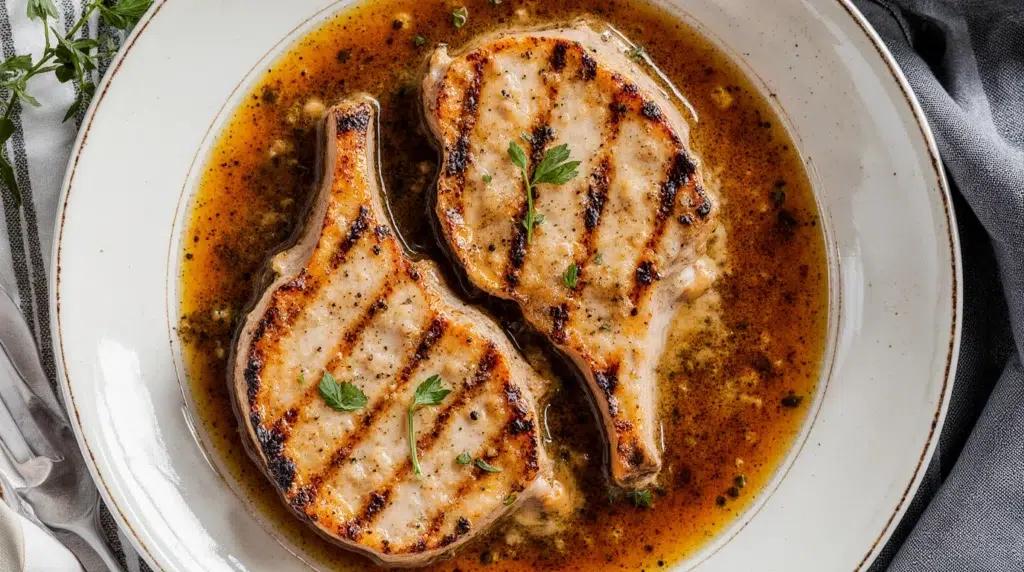

When cooking pork chops, getting them just right can be tricky. You aim for them to be fully cooked but not too hard. This way, they stay tender and juicy.
The secret to great pork chops is What Temp To Bake Pork Chops? and the oven’s temperature. Many wonder about the ideal temperature. The right one makes sure the chops are cooked evenly. They get a nice crust outside and stay soft inside.
To bake pork chops well, the temperature matters a lot. This guide will cover what affects the best temperature. We’ll also share tips for cooking pork chops perfectly every time.
Table of Contents
Understanding Pork Chops: Cuts and Types
When baking pork chops, knowing the different cuts is key. Each type has its own traits that impact baking time and temperature.
Types of Pork Chops: Rib, Loin, and More
The main types are rib chops, loin chops, and shoulder chops. Rib chops are tender and flavorful, perfect for baking. Shoulder chops are tougher but full of flavor, great for slow cooking.
Bone-in and boneless pork chops also differ. Bone-in chops stay moist longer because of the bone. Boneless chops cook evenly and are easier to check for doneness.
Best Uses for Each Cut
Choosing the right pork chop for baking depends on what you want. Rib chops are tender and juicy. Loin chops are leaner. Shoulder chops are flavorful but may need longer cooking.
Knowing these differences helps you pick the best pork chops for your recipe. Adjust your pork chops baking temperature and time based on your choice. Whether it’s a quick dinner or a special meal, understanding your options is essential.
The Importance of pork chops baking temperature
Getting the right baking temperature is key for juicy and tasty pork chops. The temperature you choose can make or break your dish.
Why Pork Chops Baking Temperature Matters
The temperature you use to bake pork chops is very important. It affects the doneness and safety of the meat. Cooking pork to the right temperature makes it safe to eat and ensures it’s cooked just right.
- Prevents the protein fibers from tightening and drying out due to over-exposure to heat.
- Ensures food safety by reaching a temperature that’s high enough to kill bacteria.
Impact on Flavor and Juiciness
The baking temperature greatly affects the flavor and juiciness of pork chops. Keep the temp in check so you don’t sear the outside to a crisp while the inside is still cold. If it’s too low, the meat could be undercooked or soggy.
To get it just right, consider these tips:
- Use a meat thermometer to check for doneness.
- Keep an eye on the recommended Pork Chops Baking Temperature for your specific cut of meat.
By controlling the baking temperature, you can make sure your pork chops are safe and full of flavor. This attention to detail will make your dish better and more enjoyable for everyone.
Optimal Pork Chops Baking Temperature
To get tender and juicy pork chops, knowing the best baking temperature is key. The right temperature makes your pork chops not just tasty but also safe to eat. The USDA says cooking pork to the correct internal temperature is essential for food safety.
USDA Recommendations for Safe Cooking
The USDA suggests cooking pork chops to an internal temperature of at least 145°F (63°C). After that, let them rest for 3 minutes. This rule is important for making sure your pork chops are safe to eat. To guarantee food safety, the USDA recommends a target temperature of 145°F (63°C) for pork, followed by a brief 3-minute resting period to eliminate pathogens.
Using a meat thermometer is the best way to check the internal temperature.
Ideal Pork Chops Baking Temperature For Different Cuts
Different cuts of pork may need slightly different cooking temperatures. For thicker cuts like rib or loin chops, baking at 400°F (200°C) can create a nice crust. Thinner cuts might do better at 375°F (190°C) to avoid overcooking.
Remember, the perfect baking temperature also depends on your taste. Some like their pork chops well-done, while others prefer them medium-rare. Try different temperatures and check the internal temperature to find what you like best.
For example, when cooking a thicker loin chop, start with a high heat sear at 425°F (220°C) for a few minutes. Then, lower the oven temperature to 375°F (190°C) to finish cooking. This method helps keep the juices and flavors inside. As Chef John advises, “Searing the pork chops before baking can make them taste and feel better.”
- For premium thick-cut chops exceeding one inch, a higher oven temperature of 400°F (200°C) is recommended to ensure even heat penetration.
- For thinner cuts (under 1 inch), bake at 375°F (190°C).
- Consistently verify that the internal temperature has reached the 145°F (63°C) threshold to ensure food safety.
Preparing Pork Chops for Baking
To bake perfect pork chops, start with the right preparation. Proper preparation boosts flavor and texture, making them a tasty meal.
Marinating vs. Seasoning
Two popular methods for pork chops are marinating and seasoning. Marinating involves soaking the chops in a mix of acids, oils, and spices. This tenderizes and flavors them. Seasoning means applying spices and herbs directly to the chops.
Marinating makes the chops tender and flavorful. Seasoning is quicker and adds flavor directly. Your choice depends on time and preference.
| Method | Description | Benefits |
|---|---|---|
| Marinating | Soaking in a mixture of ingredients | Tenderizes, adds deep flavor |
| Seasoning | Applying spices and herbs directly | Quick, easy, flavorful |
The Role of Searing Before Baking
Searing pork chops before baking enhances flavor and texture. It creates a crust that locks in juices and adds flavor.
Searing is key when done right. Cook the chops briefly on high heat until browned.

After searing, bake the chops in the oven. This ensures they’re cooked through without overcooking the outside. Searing and baking together make the chops juicy and flavorful.
Baking Techniques to Consider
Baking pork chops is more than just about temperature. It’s about mastering different cooking techniques. These techniques can make your dish go from good to great. The method you choose can affect the tenderness, flavor, and texture of your pork chops.
Using Oven vs. Air Fryer
There are two main ways to bake pork chops: using an oven or an air fryer. An oven gives a traditional baking feel, with even cooking and browning. An air fryer, on the other hand, is quicker and uses less energy. That’s the goal of a perfect sear: building a flavorful crust without losing any of that interior tenderness.
Think about the thickness of your pork chops and what you want to achieve. Thicker chops might do better in an oven. But if you’re in a hurry or have thinner chops, an air fryer is a good choice.
| Cooking Method | Cooking Time | Result |
|---|---|---|
| Conventional Oven | 20-25 minutes | Evenly cooked, potentially dry if overcooked |
| Air Fryer | 10-15 minutes | Crispy exterior, tender interior |
Foil Wrapping for Tenderness
Foil wrapping helps keep pork chops moist and tender. It creates a steamy environment that keeps the meat juicy.
Season your pork chops as you like, then wrap them in foil. Bake at the recommended pork chops baking temperature until they’re done. For a glaze or crust, take off the foil for the last few minutes.
By trying these techniques, you can make perfectly baked pork chops. They’ll be tender and full of flavor. Experiment to find the best method for you and your family.
How to Tell If Pork Chops Are Done
Cooking pork chops right is key for tender and juicy results. You’ve gotta make sure they’re cooked all the way through to the right temperature to keep things safe.This ensures both food safety and quality.
Using a Meat Thermometer
The best way to check if pork chops are done is with a meat thermometer. It shows the meat’s internal temperature, telling you if it’s cooked right. To use it, put the thermometer in the thickest part of the chop, avoiding fat or bone. The internal temperature should reach at least 145°F (63°C), as the USDA says, and then rest for three minutes.
Using a meat thermometer makes sure your pork chops are safe to eat. It’s a simple way to cook them perfectly every time.

Visual Cues to Look For
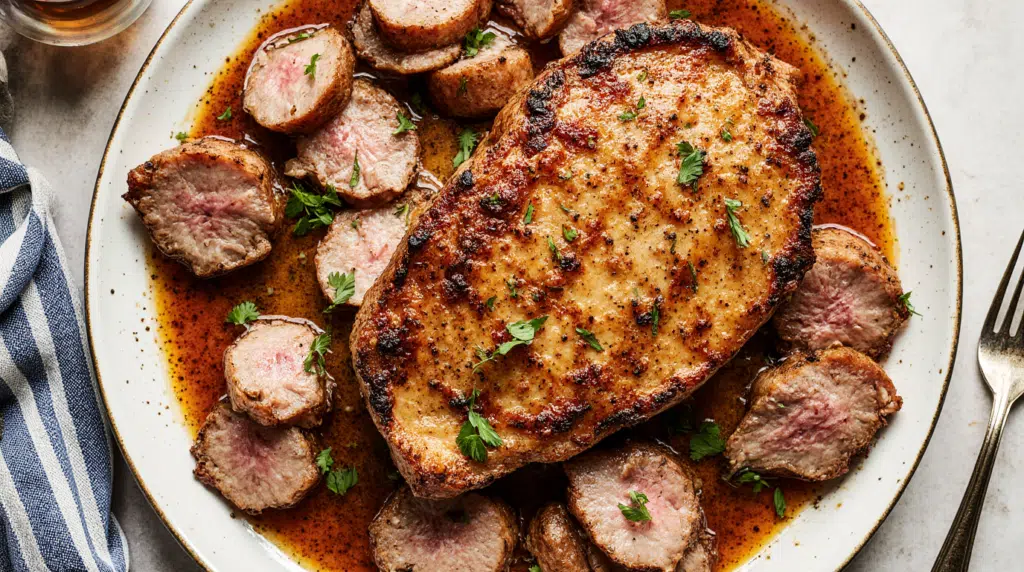
While a meat thermometer is the most accurate, you can also look for visual signs. Check the color and texture of the pork chops. They should be slightly firm and have a hint of pink in the center. Your marinade and the way you apply heat will both play a big role in how the meat looks once it’s finished.
Another sign is clear juices. When you cut into a cooked pork chop, the juices should be clear. Pink or red juices mean the pork might not be fully cooked. But, relying only on visual cues is less reliable than a thermometer.
Using a meat thermometer and checking visually together ensures perfect pork chops. Whether baking or grilling, these methods help you get tender, juicy, and safe pork chops.
Common Mistakes When Baking Pork Chops
Baking pork chops right is all about avoiding common mistakes. These errors can turn your meat into dry, tough, or flavorless pieces. It’s a delicate process that requires careful attention.
Overcooking and Its Effects
One major mistake is overcooking pork chops. This happens when they’re cooked too long, losing their juiciness and becoming tough. The perfect internal temperature is at least 145°F (63°C), with a three-minute rest afterward.
Effects of Overcooking:
- Dryness and toughness
- Loss of flavor
- Less appealing texture
Take the pork chops out of the oven when they hit 145°F (63°C).
Skipping Rest Time After Baking
Another mistake is not letting the pork chops rest after baking. This step is key for making the meat tender and juicy. Skipping it can leave your pork chops dry and less tasty.
The Importance of Rest Time:
- Allows juices to redistribute
- Makes the meat more tender
- Enhances overall flavor
After baking, take the pork chops out and let them rest for at least three minutes. This simple step can greatly enhance their quality.
By avoiding these common mistakes, you can bake pork chops that are juicy, flavorful, and tender. Success in baking comes from paying attention to detail and using the right techniques.
Enhancing Flavor: Herbs and Spices
To make your pork chops more exciting, try different herbs and spices. The right mix can turn a simple meal into a special one.
Best Seasonings for Pork Chops
Many herbs and spices can spice up your pork chops. Here are some favorites:
- Garlic Powder: It brings a savory taste without the strong smell of fresh garlic.
- Paprika: It adds a smoky, sweet flavor.
- Thyme: It gives a mild, earthy taste that goes well with pork.
- Rosemary: It adds a piney flavor that matches pork’s richness.
- Sage: It adds a slightly bitter, earthy taste that balances pork’s fat.
Chef Gordon Ramsay once said, “The key to cooking is to use fresh, seasonal ingredients and to not be afraid to experiment with different flavors.”
Pairing Flavors for a Balanced Dish
Here are some pairing ideas:
| Herb/Spice | Complementary Flavor |
|---|---|
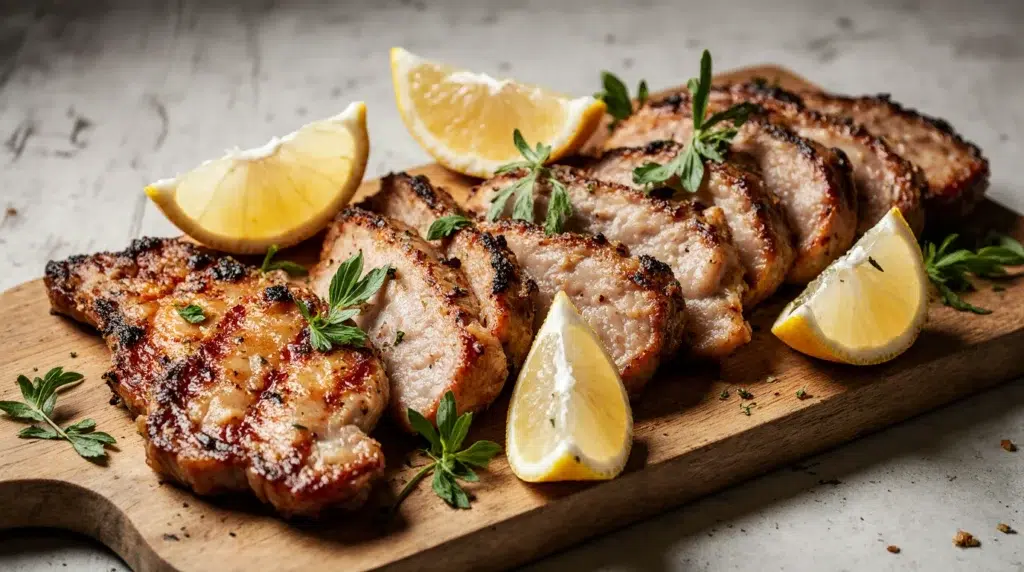
| Garlic | Lemon |
| Rosemary | Garlic |
| Paprika | Sour Cream or Greek Yogurt |
Precise seasoning and spice blending allow for a well-rounded and balanced culinary result. This makes your meal more enjoyable.

Side Dishes That Complement Pork Chops
To make your baked pork chops meal unforgettable, try pairing them with tasty side dishes. The right sides can enhance your meal’s flavors and textures. This creates a complete dining experience.
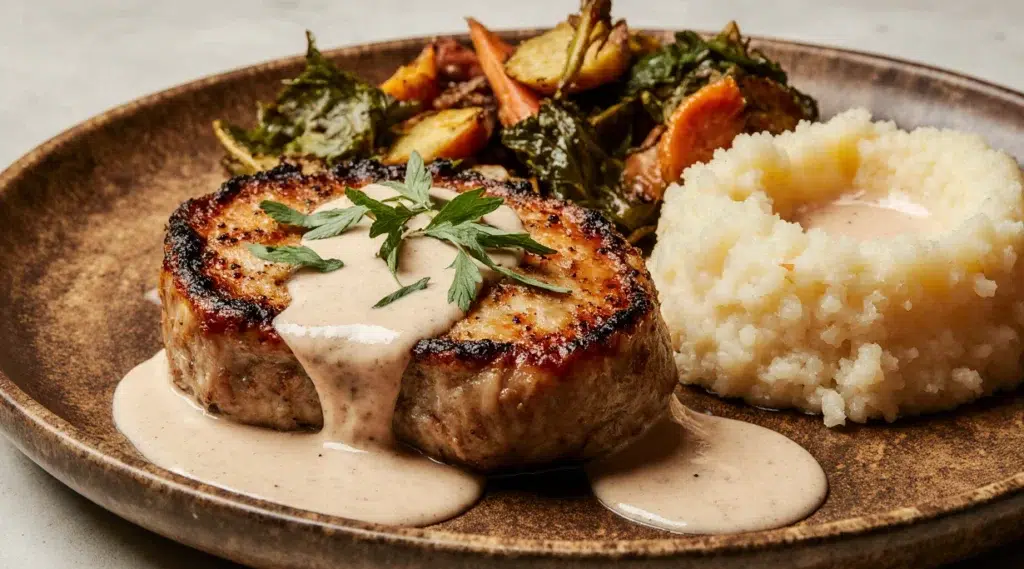
Traditional Sides: Mashed Potatoes and Veggies
Classic sides like mashed potatoes and steamed veggies are always a hit with baked pork chops. A side of smooth mashed potatoes acts as a silky counterpoint to the deep, savory flavors of the meat. Steamed veggies add freshness and color.
For a twist, try roasted vegetables. I always recommend roasting your greens or roots; that charred sweetness is exactly what a rich pork chop needs to round out the plate.
Creative Pairings for a Modern Twist
Looking to modernize your pork chop meal? There are many creative sides to try. To keep the plate from feeling too heavy, go with a refreshing quinoa salad packed with fresh greens and tomatoes. It contrasts nicely with the hearty pork chops.
Grilled or sautéed spinach with garlic and lemon is another great option. It’s quick to make and full of nutrients. This side dish balances out the meal well.
| Side Dish | Description | Preparation Time |
|---|---|---|
| Mashed Potatoes | Just simple boiled potatoes mashed up with plenty of butter and milk. | 20 minutes |
| Roasted Vegetables | Toss your favorite veggies in olive oil, salt, and pepper, then let the oven do the work until they’re perfectly roasted. | 25 minutes |
| Quinoa Salad | Mixed greens, quinoa, cherry tomatoes, and a light vinaigrette. | 15 minutes |
| Grilled Spinach | Spinach cooked with garlic and lemon, served hot. | 5 minutes |
Choosing the right side dishes can elevate a simple baked pork chops meal. Whether you prefer traditional or creative options, aim for a balance. This ensures your pork chops are complemented perfectly.
Storing Leftover Pork Chops
When you’ve cooked more pork chops than you can eat in one sitting, it’s important to know how to store leftovers. Proper storage keeps your leftover pork chops safe to eat and full of flavor.
Best Practices for Refrigeration
To store leftover pork chops in the fridge, follow these steps:
- Cool the pork chops to room temperature within two hours of cooking to prevent bacterial growth.
- The goal here is a total seal; whether you use a container or foil, make sure no air can get in to toughen up the meat.
- Label the container with the date and contents.
- Keep it cold: 40°F (4°C) is the limit for safe storage.
Food safety guidelines say cooked pork chops can be safely stored in the fridge for three to four days.
Reheating Tips for Maintaining Juiciness
Reheating leftover pork chops needs care to keep them juicy. Here are some tips:
- Reheat pork chops in the oven: Preheat your oven to 275°F (135°C). Place the pork chops on a baking sheet lined with parchment paper and cover with foil. Heat until the internal temperature reaches 145°F (63°C).
- Use a microwave: Place the pork chops on a microwave-safe dish, cover with a microwave-safe lid or plastic wrap, and heat on medium power until warmed through.
- Avoid overheating, as it can cause the pork chops to dry out.
Tip: Adding a bit of liquid, such as broth or sauce, to the pork chops during reheating can help maintain their moisture.
By following these guidelines, you can enjoy your leftover pork chops while maintaining their quality and safety.
Final Tips for Perfectly Baked Pork Chops
Now you know how to bake pork chops. Remember, the ideal cooking temp is key. It keeps your pork chops juicy and full of flavor.
Cooking Time Variations
Try different cooking times to find your favorite. You might like them tender or a bit firmer.
Personalizing Your Recipes
Be creative with your pork chop recipes. Change up the seasonings, marinades, and cooking methods and With practice, you’ll get perfect pork chops every time.