Do you love Chipotle but hate the long lines and high prices? You’re not alone. Many people are now making homemade Chipotle as a cheaper and healthier option.
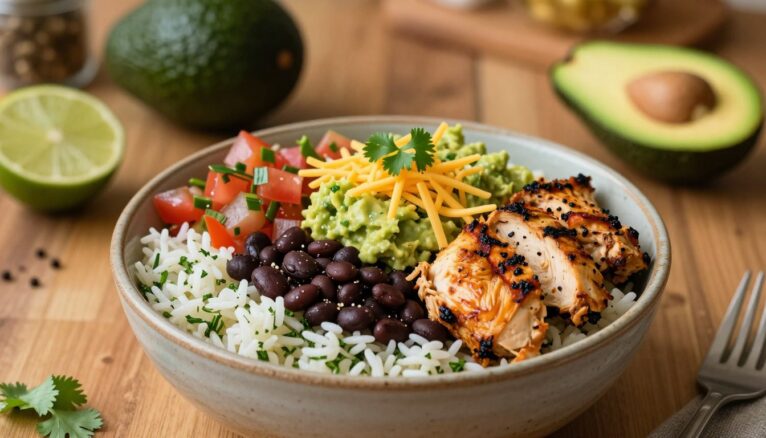
Imagine having your favorite Chipotle bowl at home. You can make it with chicken, rice, beans, and salsa. It’s easy with a simple Chipotle recipe and a few ingredients.
knowing How to make chipotle at home, you skip the extra costs and unhealthy stuff found in restaurants. You can also make it just how you like it, fitting your diet and taste.
Table of Contents
Introduction to Homemade Chipotle
Making Chipotle at home is easier than you think. It lets you control the ingredients, portion sizes, and flavors. This makes for a personalized dining experience.
Why Make Chipotle at Home?
One big reason to make Chipotle at home is the ability to customize your meal. Unlike dining out, where you’re stuck with the menu, you can try different proteins, vegetables, and sauces. This way, you can create your perfect bowl.
Also, making Chipotle at home is healthier. You can use fresh, organic ingredients. This reduces the intake of preservatives and additives found in restaurant meals.
Benefits of Homemade Mexican Food
Homemade Mexican food, like Chipotle bowls, has many benefits. For one, it’s a great way to save money. Eating out can be pricey, but making it at home is much cheaper.
Another benefit is the ability to cater to dietary restrictions. Whether you’re gluten-free, vegan, or following a specific diet, you can adjust the ingredients to fit your needs.
Tips for Recipe Customization
To get the most out of your homemade Chipotle, consider these customization tips:
- Experiment with different proteins like chicken, steak, or tofu for a vegetarian option.
- Add your favorite vegetables or try new ones like roasted sweet potatoes.
- Customize your salsa and guacamole with varying levels of spiciness and freshness.
Here’s a comparison of common Chipotle ingredients and their homemade alternatives:
| Ingredient | Chipotle Version | Homemade Version |
|---|---|---|
| Rice | Cooked with a hint of cilantro and lime | Cooked with fresh cilantro, lime juice, and a touch of olive oil |
| Beans | Pinto or black beans cooked with spices | Pinto or black beans cooked with garlic, onion, and your choice of spices |
| Protein | Grilled chicken or steak marinated in spices | Grilled chicken or steak marinated in your favorite blend of spices and herbs |
Essential Ingredients for Chipotle
The foundation of a great Chipotle bowl lies in its ingredients, and we’re here to guide you through the essentials.
Common Ingredients for Chipotle Bowls
Chipotle bowls are known for their simplicity and freshness. They usually have rice, beans, and a protein source. They’re topped with salsa, cheese, and various vegetables.
First, choose your protein. You can pick chicken, steak, or carnitas (slow-cooked pork). There are also vegetarian and vegan options like roasted vegetables and tofu.
Choosing the Right Proteins
The protein is key in your Chipotle bowl. For chicken, use boneless, skinless breasts or thighs. Steak, like flank steak or skirt steak, is great for grilling.
For vegetarians and vegans, black beans, roasted sweet potatoes, and grilled portobello mushrooms are excellent choices.
Fresh vs. Canned Ingredients
Decide between fresh or canned ingredients. Canned beans and tomatoes are easy and last long. Fresh ingredients, on the other hand, offer brighter flavors and textures.
| Ingredient | Fresh | Canned |
|---|---|---|
| Beans | Cooked from scratch, customizable seasoning | Convenient, long shelf life |
| Tomatoes | Bright flavor, variable texture | Consistent taste, easy to use |
| Corn | Fresh flavor, requires more prep | Convenient, less mess |
Choosing between fresh and canned ingredients depends on your preference, time, and recipe.
How to Prepare the Perfect Rice
Getting the rice right is key to a great homemade Chipotle bowl. The right rice can make the whole dish better. It goes well with your protein, beans, and toppings.
Types of Rice to Use
The type of rice you pick can really change your Chipotle bowl. Cilantro lime rice is a top pick because it’s tasty and aromatic. You can choose between white or brown rice. White rice is light and fluffy, while brown rice has more fiber and nutrients.
Seasoning Your Rice
Seasoning is what makes rice truly delicious. For cilantro lime rice, you’ll need cilantro, lime juice, garlic, and salt. You can adjust the seasoning to your liking. Some like a strong cilantro taste, while others prefer a hint. Try different amounts to find what you like best.
Cooking Methods for Rice
You can cook rice in several ways, like stovetop, rice cooker, or Instant Pot. Stovetop gives you more control, while a rice cooker makes it easier. The goal is to get the rice tender but not too soft.
- Stovetop: Combine rice and water in a pot, bring to a boil, then reduce heat to low and cover.
- Rice Cooker: Measure the rice and water according to the manufacturer’s directions.
- Instant Pot: Use the rice or sauté function to cook the rice quickly.
Learning to make perfect rice will help you make tasty homemade Chipotle bowls. They’ll be just as good as those from your favorite restaurant.
Mastering the Chipotle Beans
To bring the Chipotle experience into your kitchen, start with getting the beans right. The type of beans and how they’re prepared can make or break the authenticity of your Chipotle bowl.

Pinto vs. Black Beans: Which to Choose?
Chipotle offers both pinto and black beans, catering to different tastes and dietary preferences. Pinto beans are a traditional choice, with a mild flavor and creamy texture. On the other hand, black beans have a slightly sweet and earthy taste, with a firmer texture.
The choice between pinto and black beans largely depends on personal preference and the overall flavor profile you’re aiming for in your Chipotle bowl. If you’re looking for a more traditional taste, pinto beans might be the way to go. For a slightly different twist, black beans are an excellent option.
Cooking Methods for Beans
Cooking beans from scratch can be a bit time-consuming, but it’s worth the effort for the flavor and texture it yields. To cook beans, start by soaking them overnight, then simmer them until they’re tender.
For a quicker alternative, canned beans can be used. Simply drain and rinse them before heating them with some oil and your choice of seasonings. This method is convenient and results in delicious beans.
Adding Flavor to Your Beans
To give your beans that authentic Chipotle flavor, seasoning is key. Use a mix of chipotle seasoning, cumin, and garlic to add depth. You can also add some onion or shallot for extra flavor.
For an extra kick, consider adding a bit of smoked paprika or chipotle peppers in adobo sauce. This will not only enhance the flavor but also give your beans a smoky undertone characteristic of Chipotle’s cuisine.
By mastering the art of cooking and seasoning your beans, you’ll be well on your way to creating a copycat Chipotle recipe that rivals the original. Experiment with different seasonings and cooking methods to find your perfect blend.
Seasoning and Marinating Proteins
To make a Chipotle bowl at home, learning to season and marinate proteins is key. The right marinade can make chicken, steak, or vegetarian options taste amazing. This makes your homemade Chipotle bowl truly special.
Popular Marinades for Chicken and Steak
Chicken and steak get their Chipotle flavor from a mix of spices, herbs, and citrus. A common marinade includes lime juice, olive oil, garlic, and spices like cumin and chili powder. Chicken needs at least 30 minutes to marinate, while steak should marinate for 2 to 4 hours.
Here’s a simple marinade recipe:
- 1/4 cup lime juice
- 2 cloves garlic, minced
- 1 tablespoon olive oil
- 1 teaspoon cumin
- 1 teaspoon chili powder
- Salt and pepper to taste
Cooking Techniques for Perfect Proteins
Cooking proteins right is as important as the marinade. Chicken is often grilled or pan-seared, while steak is grilled for a nice char. It’s important to cook the proteins until they’re just right without overcooking.
| Protein | Cooking Method | Internal Temperature |
|---|---|---|
| Chicken | Grilling or Pan-searing | 165°F |
| Steak | Grilling | 130°F – 135°F (medium-rare) |
Vegetarian Protein Options
Vegetarians can choose from roasted vegetables and beans at Chipotle. You can also marinate and cook tofu or tempeh as protein alternatives. A marinade similar to that for chicken and steak can be used, with adjustments in cooking time based on the protein’s texture.
Creating Flavorful Salsas
Make your homemade Chipotle bowls even better with our salsa guide. Salsas bring a burst of flavor and freshness. They’re key to a great Chipotle bowl.
Looking for a classic tomato salsa, a sweet and spicy corn salsa, or creamy guacamole? We’ve got recipes for you. Try these easy and delicious options at home.
Fresh Tomato Salsa Recipe
A fresh tomato salsa is perfect for Chipotle bowls. You’ll need:
- 2 cups diced fresh tomatoes
- 1/2 cup diced red onion
- 1 jalapeño pepper, seeded and finely chopped
- 1/4 cup cilantro, chopped
- 2 tablespoons lime juice
- Salt to taste
Put all the ingredients in a bowl and mix well. Adjust the seasoning as needed. This salsa is best served fresh.
Corn Salsa: Sweet and Spicy
Corn salsa adds a sweet and spicy kick. Here’s a simple recipe:
| Ingredient | Quantity |
|---|---|
| 1 cup corn kernels | Fresh or frozen, thawed |
| 1/2 cup diced red bell pepper | |
| 1 jalapeño pepper | Seeded and finely chopped |
| 2 tablespoons lime juice | |
| Salt and pepper to taste |
Mix all the ingredients together. Refrigerate for at least 30 minutes to blend the flavors.
Simple Guacamole Recipe
No Chipotle bowl is complete without creamy guacamole. Here’s an easy recipe:
Ingredients:
- 3 ripe avocados
- 1 lime, juiced
- 1/2 teaspoon salt
- 1/4 teaspoon black pepper
- 2 cloves garlic, minced
- 2 tablespoons fresh cilantro, chopped
Mash the avocados in a bowl. Then, stir in lime juice, salt, pepper, garlic, and cilantro. Serve right away.

With these easy salsa recipes, you can make your homemade Chipotle bowls even better. Enjoy a fresh, flavorful meal that’s all your own.
Toppings for Your Chipotle Bowl
Adding the right toppings to your Chipotle bowl can take your meal to the next level. You can choose from a wide variety of toppings. This lets you make your bowl just how you like it, whether you’re watching your diet or just want to get creative.
Essential Cheese Choices
Cheese can make your Chipotle bowl creamy and delicious. Monterey Jack and Cheddar are great because they melt well and taste good with other ingredients. For a tangier flavor, try Queso Fresco.
Fresh Vegetables and Greens
Fresh veggies and greens add color and nutrients to your bowl. Add lettuce, tomatoes, and avocado for a fresh taste. You can also add sliced bell peppers or grilled corn for more flavor.
Finding the Right Hot Sauce
The right hot sauce is key to a great Chipotle bowl. Chipotle’s signature hot sauce is a favorite, but you can also try sriracha or hot sauce made from habanero peppers. Find the heat level that you enjoy the most.
Choosing the right toppings can make your Chipotle bowl truly special. Whether you want something spicy, cheesy, or fresh, the right toppings can make all the difference.
Building Your Perfect Chipotle Bowl
Creating the ultimate Chipotle bowl is all about layering the right ingredients. You can choose from many options to make a bowl that fits your taste and dietary needs.
Layering the Ingredients
The base of a great Chipotle bowl includes rice, beans, and protein. Start with your choice of rice, like white, brown, or cilantro-lime rice. Then, pick your beans, such as pinto or black beans. Choose your protein, like grilled chicken, steak, carnitas, or roasted vegetables.
After setting your base, add toppings. Think about adding fresh salsa, guacamole, and sour cream for flavor. You can also add cheese, lettuce, and diced tomatoes to taste.

Customizing for Dietary Restrictions
Making your own Chipotle bowl lets you tailor it to your dietary needs. For a gluten-free diet, use gluten-free rice and beans. Vegans and vegetarians can choose plant-based proteins and skip dairy.
Here’s a guide to customizing your Chipotle bowl:
| Dietary Restriction | Recommended Ingredients | Ingredients to Avoid |
|---|---|---|
| Gluten-Free | Gluten-free rice, beans, grilled chicken | Wheat-based tortillas, certain salsas |
| Vegan | Roasted vegetables, black beans, guacamole | Sour cream, cheese, meat |
| Low-Carb | Grilled chicken, steak, roasted vegetables | Rice, beans, tortillas |
“The beauty of making your own Chipotle bowl lies in its customization. You can tailor every ingredient to your liking, ensuring a meal that’s both delicious and satisfying.”
Serving Suggestions
Once your bowl is ready, it’s time to serve and enjoy. Add fresh cilantro, diced onions, or a squeeze of lime juice for extra flavor. Serve with tortilla chips or a simple green salad for a complete meal.
For a fun twist, set up a Chipotle bowl bar with toppings. Let everyone create their own unique bowl.
Tips for Meal Prep with Chipotle
Making Chipotle bowls ahead of time is a smart strategy for busy days. By preparing your meals in advance, you can ensure that you have healthy, delicious food ready when you need it.
Storing Leftovers Safely
To keep your Chipotle bowls fresh, it’s essential to store them properly. Use airtight containers to prevent moisture and other flavors from affecting your meal. Label each container with the date and contents, and store them in the refrigerator at a temperature of 40°F (4°C) or below.
When storing multiple components, such as rice, beans, proteins, and vegetables, consider keeping them separate. This will make it easier to reheat and assemble your bowls when you’re ready.
Reheating Your Chipotle Bowl
Reheating your Chipotle bowl is straightforward. For the best results, reheat the components separately. Use the microwave for quick reheating, or opt for the stovetop or oven for more even heating. Make sure to reheat your food to an internal temperature of at least 165°F (74°C) to ensure food safety.
Ideas for Using Leftover Ingredients
Don’t let leftover ingredients go to waste. Use leftover rice to make fried rice or as a base for a breakfast bowl. Turn last night’s dinner into tomorrow’s lunch by adding different toppings or sauces. You can also use leftover beans in salads or as a filling for wraps.
Getting creative with leftovers not only reduces food waste but also adds variety to your meal prep. Experiment with different combinations to keep your meals exciting and delicious.
Conclusion and Final Thoughts
Now that you know how to make Chipotle at home, it’s time to get creative. Try different ingredients and recipes to make your meals special. This way, you can enjoy a delicious meal that’s just right for you.
Experimenting with New Recipes
Try new proteins, salsas, and toppings to make your Chipotle bowl unique. Feel free to adjust the seasonings to your preference. Make it as mild or as hot as you prefer.
Sharing Your Creations
We encourage you to share your homemade Chipotle bowl with friends and family. You’re welcome to share your experiences and advice on social platforms. This can inspire others to try making Chipotle at home.
Cooking with Family
Cooking Chipotle at home is more than just food. It’s about spending time with loved ones. Involve your family in cooking and enjoy quality time together while making delicious meals.
By following these steps and tips, you can enjoy a homemade Chipotle bowl that’s just as good as your favorite restaurant. So, go ahead, get cooking, and make Chipotle at home your new favorite way to dine.