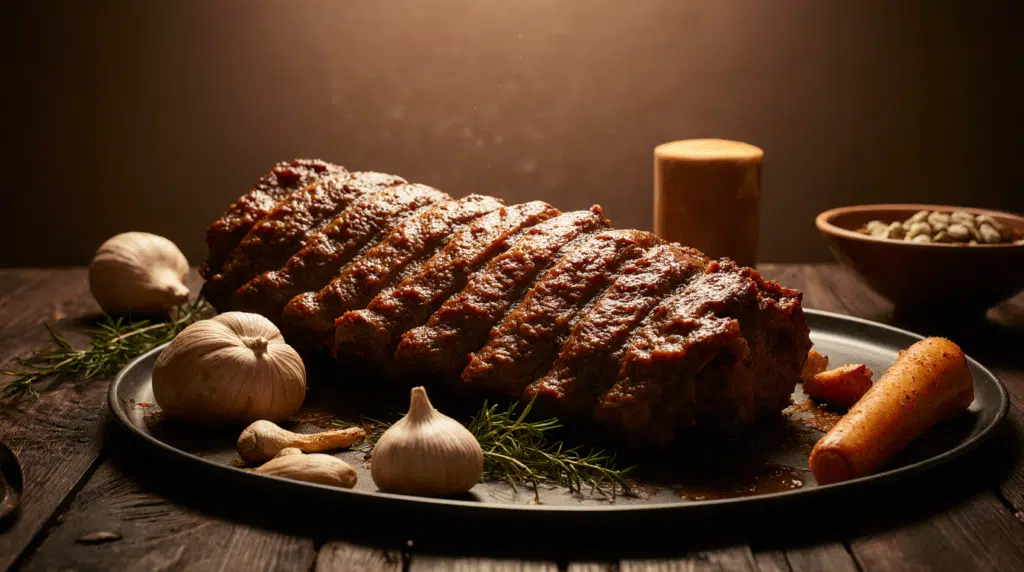

This korean beef recipe is for the nights when you want something deeply flavorful without turning dinner into a whole event. You get that sweet-savory balance, the garlic, the sesame, the glossy sauce clinging to the beef and rice, but in a version that feels doable even when you’re tired and already halfway into “maybe I’ll just order takeout” mode.
Let’s be honest, that’s why recipes like this stick. They give you comfort fast. Traditional bulgogi has its place, absolutely, but not everyone has time to marinate thin-sliced beef and prep a full spread on a random weekday. This version keeps the Korean-inspired flavor profile people crave while making the process simpler, quicker, and a lot more forgiving.
It’s ideal for busy home cooks, meal preppers, and anyone who wants a dinner that tastes like more effort than it actually took. You can serve it over steamed rice, tuck it into lettuce wraps, pile it into meal prep bowls, or add kimchi and cucumbers if you want the whole plate to feel brighter and more complete.
A korean beef recipe is typically a savory-sweet beef dish made with soy sauce, garlic, ginger, sesame oil, and sugar, often served with rice and topped with green onions or sesame seeds. In quick home versions, ground beef is often used instead of thin-sliced steak for speed.

Recipe Card
- Prep time: 10 minutes
- Cook time: 15 minutes
- Total time: 25 minutes
- Servings: 4
- Calories: About 420 per serving, depending on rice and toppings
- Recipe type: Dinner
- Tags: Korean-inspired, high-protein, weeknight meal, family dinner, meal prep
- Buttons: Print | Save | Share
Korean Beef Recipe Ingredients
You do not need a long shopping list for this korean beef recipe, which is part of its charm. Most of the flavor comes from a handful of pantry staples working together: salt from soy sauce, sweetness from brown sugar, aroma from garlic and ginger, and that unmistakable nutty finish from sesame oil. It’s a short list, but it doesn’t eat like a short list.
Here’s what you’ll need:
- 1 pound ground beef
- 3 tablespoons low-sodium soy sauce
- 2 tablespoons brown sugar
- 1 tablespoon sesame oil
- 4 garlic cloves, minced
- 1 teaspoon fresh ginger, grated
- 1 tablespoon rice vinegar
- 1 teaspoon gochujang or red pepper flakes, optional
- 3 green onions, sliced
- 1 tablespoon neutral oil, if needed
- 1 teaspoon sesame seeds, for garnish
- 4 cups cooked white rice, for serving
- Optional toppings: kimchi, sliced cucumber, fried egg, shredded carrots
You can also swap the ground beef for very thinly sliced sirloin or ribeye if you want a more traditional bulgogi-style feel. Actually, scratch that — “swap” makes it sound effortless. If you use sliced steak, the texture changes in a really nice way, but you’ll want to cook it hotter and faster to avoid overdoing it.
Why these ingredients work
The reason this ingredient list works so well is balance. Soy sauce brings depth, brown sugar smooths out the sharper edges, ginger cuts through the richness, and sesame oil rounds everything off. The green onions and sesame seeds at the end are not just decoration either. They give the finished bowl that fresh, slightly toasted lift that keeps it from feeling heavy.
Can I use sliced beef instead of ground beef?
Yes. A korean beef recipe can be made with thin-sliced steak if you want a more classic texture. Ground beef is simply the faster option, and it also absorbs sauce really well, which is why it shows up so often in easy weeknight versions.
How to Make This Korean Beef Recipe
This is where the recipe earns its keep. The method is simple, but there are a few little moments that make the difference between decent and genuinely memorable. Most skillet beef dishes go wrong in one of two ways: the sauce stays thin and forgettable, or the beef ends up tasting greasy. Neither is complicated to fix, but it helps to know what to look for.
- Cook the rice first if you haven’t already. Keep it warm.
- In a small bowl, whisk together soy sauce, brown sugar, sesame oil, garlic, ginger, rice vinegar, and gochujang if using.
- Heat a large skillet over medium-high heat.
- Add the ground beef and cook, breaking it apart with a spoon, until browned and mostly cooked through.
- Drain excess fat if needed, especially if the beef is very rich.
- Pour the sauce into the skillet and stir well.
- Cook for 2 to 4 more minutes until the sauce thickens slightly and coats the beef.
- Stir in most of the green onions.
- Spoon over rice and finish with sesame seeds, remaining green onions, and any toppings you like.
Once the sauce hits the hot pan, things move quickly. You want it glossy, not watery. If it looks too thin, give it another minute. If it starts reducing too aggressively, lower the heat and stir. There’s a tiny judgment call here, and honestly that’s what makes home cooking feel human. You’re not following a robot’s stopwatch. You’re watching the food.
Best method for deeper flavor
If you have an extra five minutes, let the sauce sit with the garlic and ginger before cooking. It sounds minor, but it helps the flavors settle a bit. Also, using fresh ginger instead of powdered ginger makes a noticeable difference in a korean beef recipe like this. Not mandatory. Just better.
How do I know when the Korean beef is done?
The beef is done when it’s fully browned, the sauce lightly coats the meat, and there’s no excess watery liquid pooling in the pan. It should look glossy and smell rich, garlicky, and slightly sweet.
Tips for the Best Korean Beef Recipe
A lot of quick recipes promise bold flavor, then quietly rely on “good enough.” This one doesn’t need a lot of effort, but it does reward a few smart choices. For one, don’t burn the garlic. That sounds obvious until you’re distracted for twenty seconds and suddenly the whole pan has that bitter edge you can’t quite fix.
Another thing: balance matters more than strict measurement. If your soy sauce is a little stronger than usual, you may want a touch more brown sugar. If you like heat, the gochujang brings more body than plain chili flakes. You’re probably wondering whether that makes the recipe less precise. Maybe a little. But it makes it more real too, because ingredients vary and taste should lead the final adjustment.
A few practical tips:
- Use medium-high heat so the beef browns instead of steams
- Drain excess fat before adding the sauce
- Add sesame oil to the sauce, not at the very beginning of cooking
- Serve with hot rice so the sauce soaks in properly
- Add a crunchy topping like cucumber or sesame seeds for contrast
- Taste before serving and adjust sweet, salty, or spicy notes
Small finishing touches that matter
Green onions, sesame seeds, and kimchi turn this from “good skillet beef” into something that feels complete. A fried egg on top is also excellent. I know that sounds like one extra step when the point was convenience, but it changes the bowl in a way that feels worth it.
Why does my Korean beef taste too salty?
A korean beef recipe can taste too salty if the soy sauce is strong or the sauce reduces too much. Fix it by adding a small splash of water, a little more brown sugar, or serving it with extra rice and fresh toppings.
Korean Beef Recipe Variations and Substitutions
One of the best things about a korean beef recipe is how adaptable it is. Once the core flavor is right, the rest becomes flexible. That makes it useful not just as a single dinner, but as a template. You can turn it into something lighter, spicier, cheaper, or a bit closer to classic bulgogi depending on what you have and what kind of mood you’re in.
If you want a more traditional direction, use thinly sliced beef and marinate it for 30 minutes before cooking. If you want the fastest possible dinner, stick with ground beef. If you’re feeding picky eaters, reduce the spice and serve the extras on the side. This is one of those recipes that doesn’t punish adaptation, which is probably why people come back to it.
Try these variations:
- Use ground turkey or chicken for a lighter version
- Swap white rice for brown rice or jasmine rice
- Serve in lettuce cups for a lower-carb option
- Add sautéed mushrooms for more depth
- Stir in shredded carrots or spinach for extra vegetables
- Use tamari instead of soy sauce for a gluten-aware version
- Replace brown sugar with honey, though the flavor shifts slightly
- Add pear puree if you want a more bulgogi-inspired sweetness
Ground beef vs sliced steak
Ground beef gives you speed, affordability, and a softer texture that works perfectly in rice bowls. Thin-sliced steak gives you a more classic chew and a stronger “restaurant-style Korean beef” feel. Both work. They just answer slightly different cravings.
Can I make this recipe spicy?
Yes. Add gochujang, chili garlic sauce, or red pepper flakes to make the korean beef recipe spicier. Start small, taste, then build from there so the heat doesn’t overpower the sweet-savory balance.
What to Serve With Korean Beef
A bowl of beef and rice is already satisfying, but the sides are what make it feel intentional. Without something fresh, tangy, or crunchy, the richness can start to dominate. That’s not a flaw exactly, just something to think about. This is why even simple Korean-inspired meals feel so good when they include contrast.
The easiest pairing is steamed rice and sliced cucumbers. Done. But if you want more of that takeout-night satisfaction at home, add kimchi, shredded carrots, pickled radish, or a fried egg. A little acidity wakes the whole bowl up. So does crunch. Texture matters more here than people think.
Good serving ideas include:
- Steamed white rice
- Brown rice
- Kimchi
- Cucumber salad
- Sautéed spinach
- Lettuce wraps
- Fried eggs
- Pickled vegetables
- Noodles instead of rice
- Roasted broccoli on the side
Turning it into a full meal prep bowl
For meal prep, layer rice, Korean beef, cucumbers, carrots, and a small spoonful of kimchi in containers. Keep the garnish separate if you can. That way the bowl still feels fresh when you reheat it the next day.
What vegetables go well with Korean beef?
The best vegetables for a korean beef recipe are cucumbers, carrots, spinach, broccoli, mushrooms, and pickled radish. They balance the rich beef and add freshness, crunch, or both.
Storage, Reheating, and Meal Prep
This is one of those dinners that’s arguably better than expected the next day. The sauce settles into the beef, the flavors round out, and lunch stops feeling like an afterthought. There’s a reason bowls like this show up in so many meal prep rotations. They store well, reheat well, and still taste like actual food instead of compromise.
Store leftover korean beef recipe beef in an airtight container in the refrigerator for up to 4 days. For longer storage, freeze it for up to 2 months. I’d freeze the beef separately from the rice if possible, because rice changes texture faster and tends to be the weak link.
To reheat:
- Microwave in short intervals, stirring between rounds
- Add a teaspoon of water if the sauce looks too thick
- Reheat in a skillet over medium heat for better texture
- Add fresh green onions after reheating, not before
Best meal prep advice
Pack toppings separately. It sounds fussy, but it keeps cucumbers crisp, kimchi punchy, and sesame seeds from going soft. Tiny difference, big improvement.
Can I freeze Korean beef?
Yes. A korean beef recipe freezes well once cooked. Cool it completely, pack it in a sealed container, and freeze for up to 2 months. Thaw overnight in the fridge before reheating.
Korean Beef Recipe FAQ
Is korean beef recipe the same as bulgogi?
Not always. Bulgogi is traditionally made with thin-sliced marinated beef, while many easy home versions of a korean beef recipe use ground beef for convenience. The flavor direction overlaps, but the method and texture are different.
What cut of beef is best for Korean beef?
For quick versions, ground beef works well. For a more traditional bulgogi-inspired result, use thinly sliced ribeye, sirloin, or another tender cut.
Do I need gochujang?
No. Gochujang adds warmth and depth, but the recipe still works without it. You can use red pepper flakes or skip heat altogether.
Can I make this korean beef recipe ahead of time?
Yes. It’s excellent for meal prep and keeps well in the fridge for several days. Reheat gently and add fresh toppings right before serving.
Is this recipe kid-friendly?
Usually yes, especially if you leave out the spice. The sweet-savory profile tends to be very approachable.
Nutrition Information
Approximate nutrition per serving, including beef and rice:
- Calories: 420
- Protein: 24g
- Carbohydrates: 30g
- Fat: 22g
- Fiber: 1g
- Sugar: 8g
- Sodium: varies depending on soy sauce used
These values will shift depending on your toppings, the fat level of the beef, and how much rice you serve. So treat them as a useful estimate, not a strict promise.
Conclusion
This korean beef recipe works because it gives you the flavor people actually want without demanding the kind of energy most weeknights just don’t have. It’s fast, flexible, deeply satisfying, and easy to make your own, whether you keep it simple with rice and green onions or build it into a full bowl with kimchi, cucumbers, and a fried egg on top.
More than that, it solves a familiar problem: wanting dinner to feel exciting again without making life harder. And maybe that’s why this kind of recipe stays in rotation. It’s not flashy. It’s dependable in the best way. Try it once, adjust it to your taste, and it has a good chance of becoming one of those meals you make almost from memory.