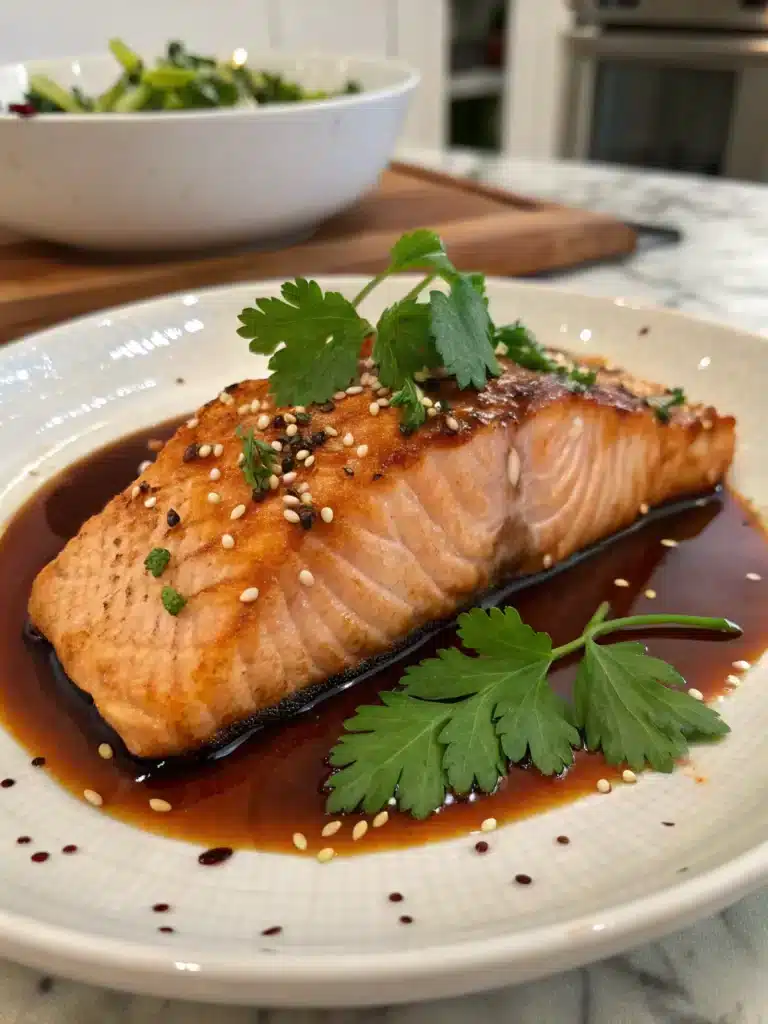

Imagine enjoying a dish that’s rich in flavor and full of nutritional benefits. Sockeye salmon is a fantastic choice for a healthy meal. It’s a tasty way to add omega-3 fatty acids to your diet.
Cooking sockeye salmon can be a fun experience with how to cook sockeye salmon methods and recipes. You can cook it in many ways, making it a great ingredient for your dishes.
Table of Contents
Understanding Sockeye Salmon: The Basics
Sockeye salmon is known for its bright red color and rich taste. You get bold flavor plus a nutrient-rich boost in every bite. Learning about sockeye salmon reveals its special traits and health perks.
What Makes Sockeye Salmon Unique?
Sockeye salmon has deep red flesh thanks to its diet. This diet includes astaxanthin—a natural pigment that doubles as an antioxidant. Its unique flavor makes it a hit among seafood lovers.
Nutritional Benefits of Sockeye Salmon
Sockeye salmon is a great source of omega-3 fatty acids. These are good for your heart and help reduce inflammation. It’s also full of protein, vitamins B12 and D, and selenium.
Omega-3s in sockeye salmon are good for your brain and may lower disease risk. With its high nutritional value, it’s a smart choice for a healthier diet.
Choosing Fresh Sockeye Salmon
To enjoy a delicious sockeye salmon dish, start with the freshest fish. Fresh sockeye salmon is key to unlocking its rich flavors and textures. This makes it a true culinary delight.
How to Select the Best Cut
When picking sockeye salmon, consider a few things. First, look for bright color. The flesh should be a vibrant red. This is a clear indicator of freshness and excellent quality.
The texture is also important. Press it gently—fresh sockeye salmon should bounce back with a firm, springy feel. It should not be soft or mushy.
Experts say, “The quality of the salmon is directly related to its color and texture” (source). This highlights the importance of these traits when choosing sockeye salmon.
- Look for fillets with a uniform color.
- Avoid fillets with visible signs of browning or discoloration.
- Check the texture by gently pressing on the flesh; it should spring back.
Signs of Freshness to Look For
Fresh sockeye salmon should have a clean, oceanic smell. It should not have a strong fishy odor. A fresh smell is a good quality indicator.
The eyes of the salmon should also be clear and bulging. They should not be sunken or discolored.
When choosing between wild-caught and farmed sockeye salmon, wild-caught is often preferred. It has a more robust flavor and firmer texture than farmed salmon.
“Wild-caught sockeye salmon is renowned for its rich flavor and firm texture, making it a favorite among chefs and seafood enthusiasts alike.”
By focusing on these signs of freshness and understanding the differences between wild-caught and farmed salmon, you can make a smart choice. This ensures you get the best sockeye salmon for your next meal.
Preparing Sockeye Salmon for Cooking
Before cooking your sockeye salmon, it’s key to prepare it right. This brings out its best flavor and texture. Cleaning, scaling, and filleting are essential steps to ensure your salmon is ready.
Cleaning and Scaling the Fish
Cleaning and scaling start your preparation. Rinse the fish under cold water to remove debris. Make a shallow cut along the belly to remove innards. Then, rinse the cavity under cold water.
Scaling is also important. Hold the salmon and use a fish scaler or knife to remove scales. Go tail to head—this direction makes the process easier and more precise. Make sure to remove all scales for a clean fish.
Properly Filleting Sockeye Salmon
Filleting is a precise process. Lay the cleaned salmon on its side. Cut behind the gills, then glide your knife along the spine straight down to the tail for a clean fillet. Keep the knife close to the bones.
After removing the fillet, check for bones or bloodlines. Remove them if found. Flip it over and repeat the process to remove the second fillet.
| Preparation Step | Description | Tips for Success |
|---|---|---|
| Cleaning | Rinse under cold water, remove innards | Be gentle to avoid damaging the flesh |
| Scaling | Use a fish scaler or blunt knife | Start from the tail and work towards the head |
| Filleting | Cut along the spine, pry fillet away | Keep the knife close to the bones |
By following these steps, you’ll prepare your sockeye salmon for cooking. It will be clean, scaled, and filleted perfectly. This preparation is vital for a delicious meal.
How To Cook Sockeye Salmon
Sockeye salmon can be cooked in many ways, like grilling, baking, and pan-searing. Every cooking style gives the dish a special touch. This lets you experiment and find your favorite way to enjoy this delicious fish.
Grilling Sockeye Salmon to Perfection
Grilling sockeye salmon adds a smoky flavor that enhances its natural richness. To grill it perfectly, preheat your grill to medium-high heat. To keep the fish from tearing, make sure to oil the surface of the salmon before cooking. Season with your favorite herbs and spices, and grill for about 4-6 minutes per side, or until cooked through. As Chef Gordon Ramsay once said, “The key to grilling fish is to not overcook it; you want it to be firm but juicy.”
Baking Sockeye Salmon: A Simple Technique
Baking sockeye salmon is a straightforward and healthy cooking method. It preserves the fish’s moisture. To bake it, preheat your oven to 400°F (200°C). Season the salmon fillet with salt, pepper, and your choice of herbs. Place it on a baking sheet lined with parchment paper and bake for 12-15 minutes, or until the salmon flakes easily with a fork. “Baking fish is all about simplicity and letting the natural flavors shine through,” notes a culinary expert.
Pan-Seared Sockeye Salmon: Quick and Delicious
Searing sockeye in a hot skillet is a game-changer. You get that signature crunch on the outside without sacrificing the tender, flaky meat inside. Just get your skillet smoking hot with a little oil and you’re ready to sear. Season the salmon fillet and place it in the skillet, skin side up if it has skin. Cook for about 3-4 minutes on each side, or until cooked to your liking. As Bon Appétit suggests, “A good sear on the salmon can make all the difference in the flavor and texture.”
Regardless of the cooking method you choose, the key to cooking sockeye salmon is to not overcook it. Sockeye salmon is best when it’s cooked just until it flakes easily with a fork. This ensures it remains moist and flavorful.
Flavoring Sockeye Salmon
To make sockeye salmon taste its best, try different ways to flavor it. The right marinades and spice mixes can really boost its natural taste.
Best Marinades for Sockeye Salmon
Marinades are key to adding flavor to sockeye salmon. A great marinade tenderizes the fish and adds a mix of tastes. Ingredients like lemon juice, garlic, and herbs like dill are popular choices.
- A simple lemon marinade with lemon juice, olive oil, and dill gives a bright, citrusy taste.
- A marinade with soy sauce adds a savory, umami flavor.
- For a Mediterranean flavor, mix olive oil, lemon juice, garlic, and oregano.
Spice Combinations That Pair Well
Spices can also make sockeye salmon taste better. Some spices match the fish’s natural flavor, creating a perfect balance.
| Spice Combination | Description |
|---|---|
| Lemon Pepper | A classic mix that combines lemon’s brightness with pepper’s subtle kick. |
| Dill and Garlic | A refreshing and savory blend that complements the rich sockeye salmon flavor. |
| Asian-Inspired | A mix of soy sauce, ginger, and sesame oil that adds a deep, complex taste. |
Try out different marinades and spice mixes to find your favorite flavor. Whether you like a light, citrusy taste or a bold, savory one, there’s a way to enhance your sockeye salmon dish.
Cooking Times and Temperatures
To cook sockeye salmon perfectly, you need to know about cooking times and temperatures. We aren’t just cooking for the best sear; we’re cooking to keep everyone at the table healthy.
How Long to Cook Sockeye Salmon
Cooking time for sockeye salmon changes based on the method and fish thickness. Generally, grill or pan-sear for 4-6 minutes per ½ inch thickness. For baking, start with 10-12 minutes per inch of thickness at 400°F (200°C).
Here’s a more detailed breakdown:
- Grilling: 4-6 minutes per side, depending on thickness and desired doneness.
- Baking: 10-12 minutes per inch of thickness at 400°F (200°C).
- Pan-searing: 3-4 minutes per side for fillets about 1 inch thick.
Ideal Temperatures for Different Cooking Methods
The salmon should reach an internal temperature of 145°F (63°C) for safety. But, the best temperature varies by cooking method:
| Cooking Method | Ideal Temperature |
|---|---|
| Grilling | Medium-high heat (around 400°F or 200°C) |
| Baking | 400°F (200°C) |
| Pan-searing | Medium-high heat (around 375°F or 190°C) |
It’s key to use a food thermometer, no matter the method. This way, you ensure the salmon is safe to eat and tastes great.

Serving Suggestions for Sockeye Salmon
After cooking sockeye salmon, you’ll want to pick side dishes that match its taste. Sockeye salmon’s rich flavor makes it great with many sides.
What to Serve with Sockeye Salmon
Think about sides that bring out the salmon’s flavor without taking over. Good choices include:
- Roasted vegetables like asparagus or Brussels sprouts
- Quinoa or brown rice for a nutritious and filling side
- Salads with light, citrus-based dressings
These options enhance the salmon’s taste and make your meal more interesting.
Creative Side Dishes to Complement
For a special touch, try these creative sides:
- Grilled or sautéed spinach with garlic and lemon
- Roasted sweet potato wedges with a hint of paprika
- A refreshing Greek salad with feta, olives, and olive oil
Storing Leftover Sockeye Salmon
Leftover Sockeye salmon can be just as tasty as when it’s first cooked. It’s important to store it right to keep its flavor and texture. This way, you can enjoy it again later.
Proper Storage Techniques
To keep your leftover Sockeye salmon fresh, store it in a way that blocks air and moisture. Cool it down to room temperature within two hours after cooking. This stops bacteria from growing.
Shield the dish from drying out by wrapping it snugly in heavy-duty foil before refrigerating. This keeps it fresh.
Refrigeration is the best short-term storage solution. Cooked Sockeye salmon can stay in the fridge for up to three days. Just make sure it’s kept at a fridge temperature below 40°F (4°C).

Reheating for Best Flavor
Reheating leftover Sockeye salmon needs care to keep its flavor and texture. The goal is to reheat it gently. You can use the oven, stovetop, or microwave, but each has its own way.
- For oven reheating, preheat to 275°F (135°C), and place the salmon on a baking sheet lined with parchment paper. Heat until it reaches an internal temperature of 145°F (63°C).
- On the stovetop, reheat the salmon gently in a pan with a small amount of liquid (such as water or broth) over low heat, covered.
- If using a microwave, cover the salmon with a microwave-safe lid or plastic wrap and heat on a low setting, checking frequently to avoid overcooking.
Make sure the salmon is heated through to a safe internal temperature. This way, you can enjoy it safely.
Common Cooking Mistakes to Avoid
To cook Sockeye Salmon perfectly, it’s important to avoid common mistakes. Famous for its bold taste and hearty bite, Sockeye Salmon is a favorite at the dinner table. However, there is a fine line between a juicy fillet and one that is dry and unappealing. We’ve rounded up the top mistakes to watch out for so yours turns out perfect every time.
Overcooking Sockeye Salmon: Tips to Prevent It
Overcooking is a common mistake when cooking Sockeye Salmon. It makes the fish dry and tough. To avoid this, it’s key to know the right cooking times and temperatures.
- Use a thermometer to check the fish’s internal temperature. Sockeye Salmon is done at 145°F (63°C).
- Don’t overcrowd your pan or grill. Don’t let the heat escape—it guarantees a more balanced, even cook.
- Cook the salmon for the right time. For most methods, 4-6 minutes per side is enough, depending on the fillet’s thickness.
By following these tips, you can cook your Sockeye Salmon perfectly without overcooking it.
Seasoning Errors That Can Ruin the Dish
Seasoning is a key step in cooking Sockeye Salmon. Too little seasoning makes the dish bland, while too much overpowers the salmon’s flavor. Here are some seasoning mistakes to avoid:
- Overpowering the fish with strong flavors. Sockeye Salmon’s rich flavor can be lost with too much spice or marinade. Balance is important.
- Not seasoning the fish evenly. Season both sides of the salmon fillet for even flavor.
- Using low-quality seasonings. using high-grade spices ensures your flavor profile is sharp and well-defined.
By avoiding these seasoning mistakes, you can bring out the natural flavor of your Sockeye Salmon without overpowering it.
Popular Sockeye Salmon Recipes
Sockeye salmon is loved for its unique taste and health benefits. It’s great for both experienced cooks and beginners.
Lemon-Dill Grilled Sockeye Salmon
Grilling sockeye salmon with lemon-dill is a simple yet tasty method. It brings out the fish’s natural flavors and adds a zesty citrus touch. Here’s what you need:
- 4 sockeye salmon fillets
- 1/4 cup freshly chopped dill
- 2 lemons, juiced
- 2 cloves garlic, minced
- Salt and pepper to taste
Mix the dill, lemon juice, and garlic in a bowl. Place the salmon in a tray for seasoning. Brush the marinade on both sides of the fish. Let it marinate for 30 minutes before grilling over medium-high heat for 4-6 minutes per side.
The New York Times says, “A good marinade can elevate the flavor of the fish.” This lemon-dill marinade does just that, making the sockeye salmon even better.

Teriyaki-Glazed Sockeye Salmon: A Sweet Treat
For a sweeter taste, try teriyaki-glazed sockeye salmon. The teriyaki sauce creates a sweet, sticky crust that pairs well with the salmon’s rich flavor. Here’s what you’ll need:
- 4 sockeye salmon fillets
- 1/2 cup teriyaki sauce
- 1/4 cup brown sugar
- 2 tablespoons soy sauce
- 2 tablespoons rice vinegar
- 1 teaspoon grated ginger
Preheat your oven to 400°F (200°C). Mix the teriyaki sauce, brown sugar, soy sauce, rice vinegar, and ginger in a saucepan. Boil briefly, then drop to a simmer until the sauce becomes rich and thick. Place the salmon on a baking sheet and brush with the glaze. Bake for 12-15 minutes, until cooked through.
These recipes are easy to follow and make delicious meals with sockeye salmon. Try different marinades and glazes to find your favorite way to enjoy this healthy and tasty fish.
Health Considerations and Salmon
Understanding the health aspects of sockeye salmon is key to a balanced diet. Sockeye salmon is packed with nutrients, providing many health benefits. Yet, it’s also vital to know about possible health concerns.
Mercury Levels in Sockeye Salmon
Sockeye salmon has low levels of mercury. Mercury is a harmful substance that can be dangerous in large amounts. Luckily, sockeye salmon is a low-mercury fish, making it safer to eat often.
Omega-3 Fatty Acids and Health Benefits
Sockeye salmon is a top source of omega-3 fatty acids. These acids are vital for our bodies. They help with heart health and reduce inflammation.
Eating foods rich in omega-3s, like sockeye salmon, can lower triglycerides and blood pressure. It also helps prevent heart disease.
Omega-3s in sockeye salmon also boost brain health. They may ease depression and anxiety symptoms. Plus, they’re good for fetal development during pregnancy, making them great for expectant mothers.
In short, sockeye salmon is a healthy choice for your diet. Low in mercury but high in Omega-3s—the perfect balance for a healthy diet. Adding it to your meals can bring many nutritional benefits while keeping health risks low.
Conclusion: Enjoying Your Sockeye Salmon
Now that you’ve learned how to prepare sockeye salmon, it’s time to enjoy it. Try out different recipes and cooking methods to find your favorite. This way, you can savor this delicious fish in many ways.
Making the Most of Your Salmon Experience
Pair your sockeye salmon with various side dishes and flavors. This will help you find new favorite combinations. You can also try different marinades and seasonings to make your salmon even tastier.
Exploring New Recipes
Keep experimenting—variety is the spice of a great kitchen! Whether you’re grilling, baking, or pan-searing, there’s a lot to explore with sockeye salmon. By trying new recipes, you’ll enjoy cooking and discover new ways to enjoy your salmon.